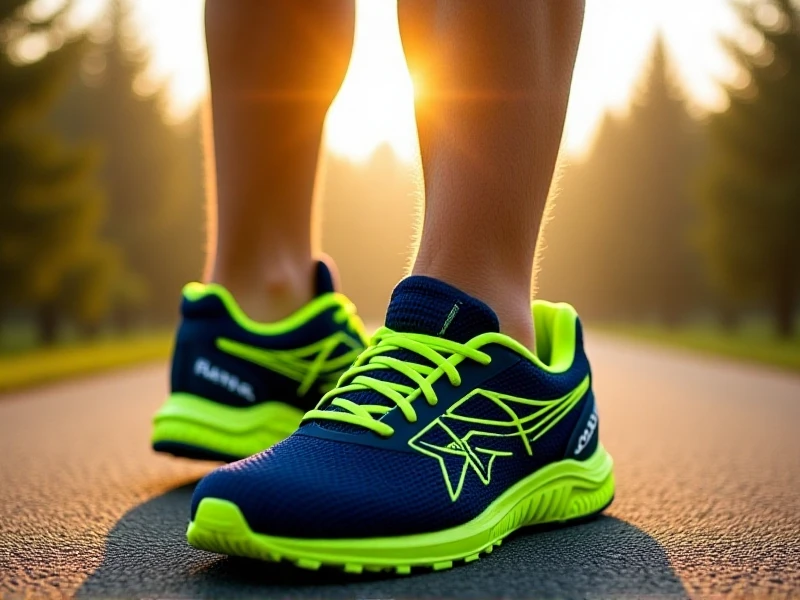
The Essential Guide to Choosing the Right Running Shoes for Every Runner
Finding the perfect pair of running shoes can transform your workout and protect your feet from injury. Running shoes are not just footwear; they're a crucial investment in your health and performance as a runner. Whether you're training for a marathon or enjoying a daily jog, selecting the right pair supports proper foot alignment, reduces impact on joints, and enhances overall comfort. In this article, we'll explore key factors to consider when shopping for running shoes, ensuring you make an informed decision.
First, understand the different types of running shoes available to match your needs. For neutral runners, lightweight options provide excellent cushioning without overcorrecting motion, ideal for even gait. If you have overpronation or underpronation, stability shoes incorporate features like medial posts to guide your stride. Trail running shoes are designed for off-road adventures, offering superior grip and durability. Key considerations include your running style, foot arch, and training terrain—always get a professional gait analysis at a running store. Look for brands known for innovation, as they integrate breathable materials and shock absorption technology to improve endurance and prevent blisters.
It's also vital to focus on fit and longevity. Running shoes should feel snug but not tight when you try them on, with a thumb's width of space at the toe to allow for natural swelling. Test them with your typical socks and perform a few strides to assess support. Aim to replace athletic footwear every 300–500 miles to maintain cushioning and avoid wear-related injuries. Pair the right running shoes with gradual training increases to boost speed and stamina. Ultimately, prioritizing quality footwear helps you run longer and faster while safeguarding against strains—a worthwhile step for any fitness enthusiast on the move.