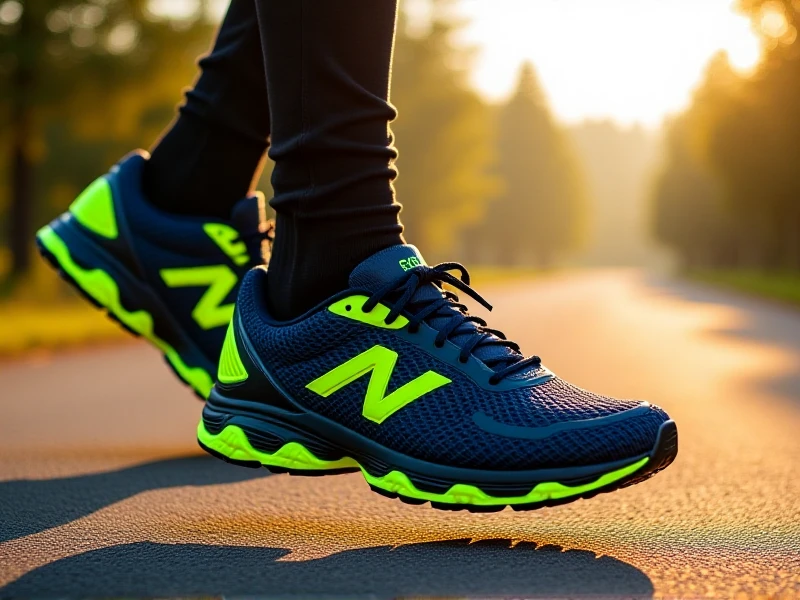
Finding Your Perfect Fit: The Ultimate Guide to Running Shoes
Choosing the right running shoes isn't just about looks; it's a fundamental decision impacting your performance, comfort, and injury prevention. With countless options flooding the market, finding the best running shoes for you can feel overwhelming. This guide breaks down the key factors to consider on your journey to the perfect pair.
Why the Right Shoe Matters: Running involves significant impact forces. The best running shoes act as your primary shock absorbers. They support your unique foot structure and gait cycle, stabilizing your stride and reducing stress on joints from your ankles to your knees and hips. Ill-fitting or incorrect footwear is a common culprit behind runner injuries like shin splints, plantar fasciitis, and knee pain.
Key Considerations When Selecting Running Shoes:
-
Cushioning Level: This ranges from minimal/barefoot styles to maximum plush cushioning. Your ideal level depends on distance preference, body weight, terrain, and personal feel. Do you desire a plush, protective ride or a ground-feeling, responsive sensation? Both types of "running shoes" excel; it's about your preference and needs.
-
Foot Type and Pronation: Pronation describes how your foot naturally rolls inward upon landing.
- Neutral: Foot rolls slightly inward appropriately. Most neutral runners benefit from neutral cushioning shoes.
- Overpronation: Excessive inward roll. Look for stability running shoes featuring firmer medial posts or guide rails to correct excessive motion.
- Supination (Underpronation): Foot rolls outward. Neutral, well-cushioned shoes with flexibility are often recommended. Knowing your foot type is crucial; many specialist running stores offer gait analysis.
-
Running Terrain:
- Road Running Shoes: Designed for pavement, offer good cushioning, responsiveness, and durability against concrete/asphalt.
- Trail Running Shoes: Feature aggressive lugs (treads) for traction, stiffer midsoles to protect against rocks/roots, and often enhanced upper protection and water resistance.
- Cross-Training: Versatile for gym use, but not ideal as primary dedicated running shoes.
-
Fit is Paramount:
- Your longest toe should have about a thumbnail's width (roughly half an inch) of space from the shoe's end – your feet swell during runs.
- Ensure adequate width; your foot shouldn't feel squeezed at the sides or overhang the footbed.
- Heel should fit snugly without significant slippage.
- Always try shoes on in the afternoon or after a run, when feet are naturally larger, and wear the socks you intend to run in. Walk and jog around the store.
-
Weight: Lighter running shoes often enhance speed and a "fast" feeling, favored for racing or shorter distances. Heavier shoes typically offer more cushioning and durability, great for daily training. Consider a rotation for different run types.
Putting It Into Action:
- Evaluate Your Needs: Consider your typical distance, terrain, training goals, any past injuries, and foot type.
- Research: Read reviews focusing on the aspects important to you (cushioning, stability, grip). Look at models from reputable brands specializing in performance running shoes.
- Get Fitted: Visiting a dedicated running store for expert advice (including potential gait analysis) is a worthwhile investment.
- Test Thoroughly: Don't rush the fitting process in the store. Take your time.
- Listen to Your Feet & Body: Comfort is king. Minor initial discomfort can sometimes be about breaking them in, but significant pinching or rubbing is a red flag.
Investing time in finding the best running shoes for your unique body and running style is an investment in your health, enjoyment, and performance. When you find that perfect pair, you've not just bought shoes; you've equipped yourself for miles of progress. Happy running! Remember to replace your shoes every 300-500 miles as cushioning breaks down, even if the outer sole looks intact.